What Makes an ADA Certified Portable Toilet Rental Accessible?
When individuals ask whether a portable bathroom is accessible, they are commonly actually asking 2 various questions at the same time. First, does the device itself meet the ADA's technological demands for access and make use of? Second, has it been positioned in such a way that a person can in fact reach it, enter it, transform inside it, and utilize it with dignity?
That distinction matters greater than most individuals understand. I have actually seen event organizers buy an ADA compliant portable toilet because they truly wished to do the right thing, then shed the advantage of that effort by establishing it in soft ground, at the end of a rough course, or in a confined row where the door could not be approached easily. Theoretically, they had an ada portable toilet on website. In practice, they had an unit that several visitors still could not use.
Accessibility is not a label you slap onto a rental order. It is a combination of the appropriate unit, the appropriate quantity, the right place, and the ideal arrangement. If any kind of one of those pieces is missing, the result falls short.
Accessibility starts with the ADA standard, not the sales brochure
In the United States, the managing government standard is the 2010 ADA Requirements for Accessible Style, as related to portable bathroom services. That is the starting factor for recognizing what makes an ada certified portable commode service easily accessible. Advertising language is insufficient. A supplier can call something spacious, handicap friendly, or occasion all set, but the ADA checks out details ease of access needs, not broad descriptions.
This is where some confusion sneaks in. People commonly use phrases like ada easily accessible mobile restroom, ada compliant available portable restrooms, and ada handicap obtainable mobile washroom reciprocally. In everyday conversation, that is reasonable. From a compliance viewpoint, though, the essential inquiry is whether the unit and its setup satisfy the appropriate ADA requirements for easily accessible design.
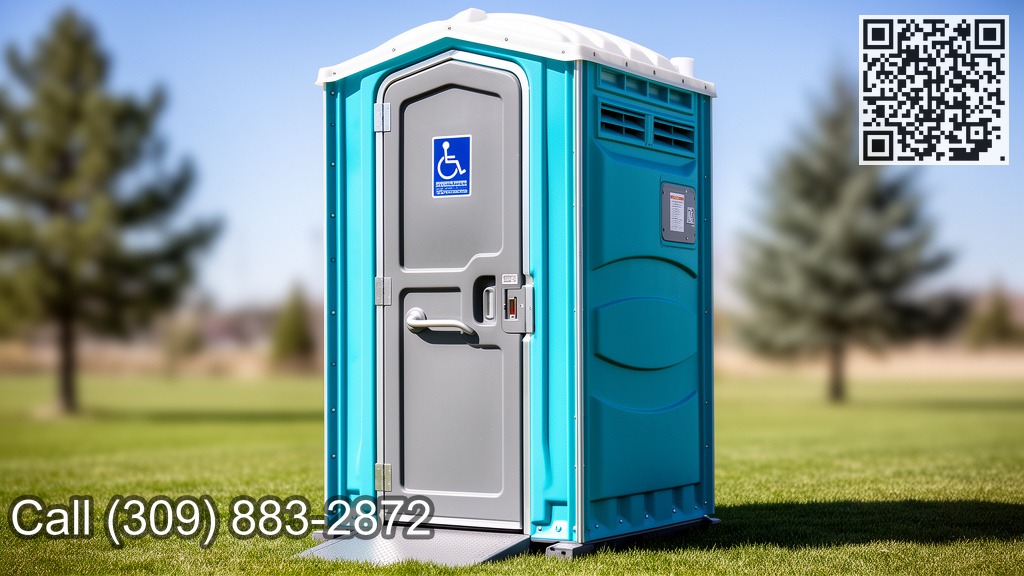
The ADA likewise does not stop at the covering of the unit. Availability consists of just how an individual gets to the toilet, just how the entry features, and whether there suffices clear room and maneuvering space. A portable toilet can be manufactured with ease of access in mind and still fail to serve people correctly if it is put carelessly.
What the system itself must allow an individual to do
An obtainable mobile bathroom is constructed around use for people with flexibility disabilities, consisting of wheelchair individuals. The regulating requirements require commode space attributes such as clearances, turning area, door maneuvering clearances, and suitable grab bar and water storage room clearance rules.
Those terms might sound technological, yet the lived experience behind them is simple. A person has to be able to come close to the unit, open and relocate with the door, setting themselves inside, and utilize the commode safely. If the interior is also tight to turn, if https://pristineportablesil.com/gallery/ the door location does not permit a sensible method, or if the fixture area does not have the needed clearances, the bathroom is not meaningfully accessible.
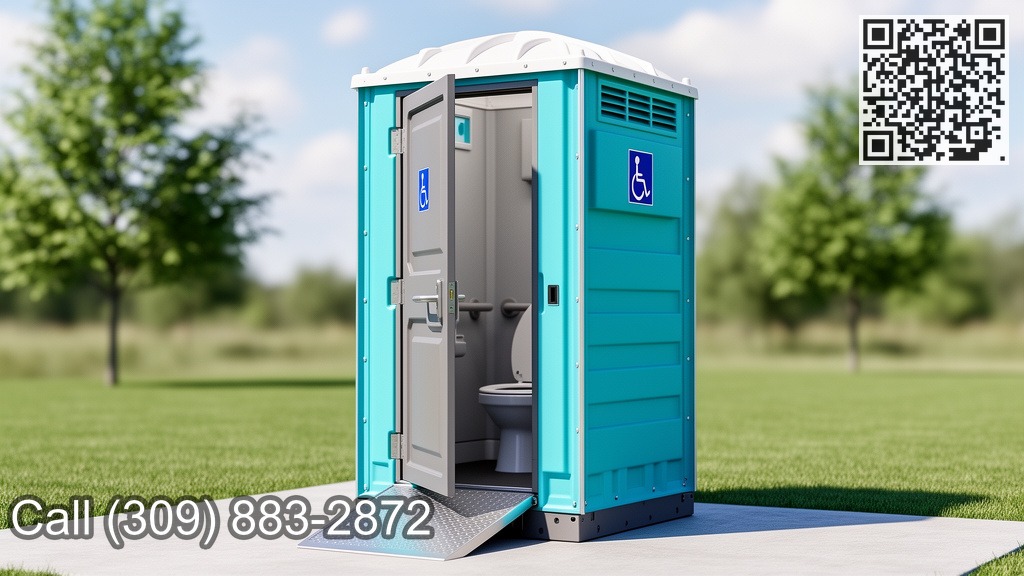
This is one reason an ada compliant portable toilet generally looks bigger than a standard solitary device. The added indoor area is not a luxury feature. It exists because availability relies on activity, alignment, and assistance. Transforming space is especially vital. Without it, a mobility device customer might have the ability to go into yet not reposition effectively as soon as inside. That is not accessibility in any kind of real sense.
The exact same chooses grab bars and water storage room clearances. These are not attractive details. They become part of how many users move, maintain themselves, and make use of the area safely. In my experience, people in some cases concentrate on the door size due to the fact that it shows up and very easy to discuss, but a toilet can have a generous entryway and still be pointless if the component area is not laid out properly.
Getting to the restroom becomes part of compliance
One of one of the most typical mistakes in mobile restroom preparation is dealing with access as an indoor problem just. The ADA requires an obtainable route and obtainable entrance. If a person can not reach the device without browsing mud, ruts, steep changes in level, or improvisated challenges, then the arrangement is refraining from doing its job.
This concern shows up constantly at short-term occasions. A festival coordinator may have an ada mobile bathroom on the order sheet and assume the box is checked. Then tons in happens, fence changes, vendor outdoors tents move, and the easily accessible system ends up behind cords, on irregular ground, or at the far end of a momentary format that no more has a functional easily accessible path. No one meant to omit anyone, yet the outcome still excludes.
The demand for ramps or landings can also come into play, and when they are needed, they have to adhere to ADA technical demands. That information matters due to the fact that individuals often improvisate. A fast plywood repair may appear safe to an able-bodied crew trying to fix a last-minute problem, yet an improvisated ramp can develop instability, steepness, or touchdown troubles that make the entrance hard or hazardous to use.
An absolutely obtainable configuration thinks past shipment day. Will the course still be navigable after foot traffic boosts? What takes place if it rains? Will service cars or crowd-control obstacles cut off approach space later in case? Access needs to hold up under actual conditions, not simply during the walkthrough.
Quantity matters, specifically in clusters
Another factor that gets overlooked is scoping, implying the number of available devices are needed when you have a group of portable commodes together. For clusters of mobile single-user commode devices, a minimum of 5 percent of the systems in each cluster need to come. The Gain access to Board has actually explained that this applies even at momentary events.
That policy is more important than it might appear in the beginning look. If an event has numerous restroom financial institutions spread out around a site, the available devices can not just be focused in one distant edge while the various other collections have none. Each collection has to be considered by itself. Availability needs to be distributed where people really are.
I have actually seen this end up being a sensible issue at fairs and outdoor wedding celebrations. A person decides to put the only available unit near the major entry since it seems central. Then visitors at the contrary side of the residential property have a long, inconvenient journey, while the regional bathroom collection near them provides no available option whatsoever. The 5 percent demand is not just a mathematics exercise. It reinforces the concept that gain access to ought to be integrated right into the very same patterns of usage as the rest of the washroom plan.
For any individual preparing an ada portable toilet service, this suggests inquiring about quantity early, not as a second thought. If you are preparing in collections, you need to believe collection by cluster.
Identification is not optional
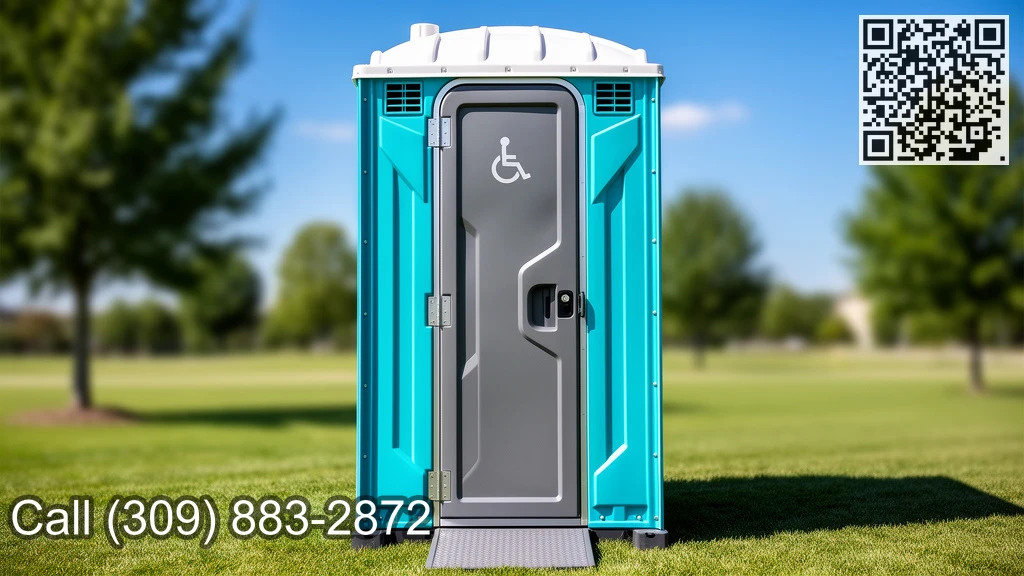
Accessible portable commode units have to be related to the International Icon of Ease Of Access. That marking serves a sensible purpose. It helps individuals find the right device rapidly and without having to check every door or ask team for help.
There is a dignity concern below that is entitled to more focus. A visitor needs to not need to begin a discussion with a volunteer, security employee, or place worker simply to figure out where the available restroom is. Clear recognition reduces friction and unpredictability. It additionally indicates that the coordinator prepared for actual individuals and planned for them, as opposed to adding access on at the last minute.
That said, the symbol alone does not develop availability. A door decal on a system set in an unusable spot is still a trouble. Identification matters, but it has to come with real compliance.
Temporary does not indicate exempt
A lot of people assume short-term arrangements operate in a gray location. They do not. The obtainable unit demand puts on clusters of portable single-user toilet units also at momentary events. That is one of the most consistent misunderstandings in this area.
Part of the confusion originates from a narrower exception tied to portable toilet devices at building sites utilized specifically by building and construction employees under the older 1991 typical language referenced in the validated context. People read about that distinction and afterwards overextend it, as if any kind of temporary installation is outside the ease of access regulations. That is not just how the need helps basic portable bathroom rentals.
If you are renting toilets for a public occasion, a personal occasion with visitors, a neighborhood celebration, or another general-use setup, the assumption of access continues to be quite active. In technique, that means coordinators can not brush off gain access to worry about, "It's only for the weekend." For the individual that needs it, the need is prompt and non-negotiable.
What people typically miss out on when buying an ADA mobile toilet
Ordering the appropriate model is essential, yet it is only one item of the decision. What often tends to divide a merely leased device from a really easily accessible option is just how thoroughly the organizer analyzes usage on site.
Here are the inquiries I encourage customers to clear up before distribution:
- How many washroom collections will there be, and does each cluster include the required obtainable share?
- Can a person reach the unit by an available course under real site conditions, not suitable ones?
- Is there appropriate entrance accessibility, consisting of any kind of ramp or landing requirements if they apply?
- Will the system be identified with the International Symbol of Accessibility?
- Has any person checked that later arrangement changes will not obstruct or threaten access?
That short checklist catches a shocking number of issues before they come to be pricey or embarrassing.
The distinction between "readily available" and "usable"
This is where empathy matters. Lots of hard to reach arrangements are not the outcome of hostility. They come from people who assume access indicates visibility. If an ada certified mobile bathroom is technically somewhere on site, they think the job is done.
But available is not the like usable.
Imagine reaching an outdoor occasion and finding that the only easily accessible device sits past a churned-up gravel course after a day of rain. Or it is squeezed against fence so tightly that approaching the door is uncomfortable. Or it is in the right area during morning configuration, after that later surrounded by coolers, power cables, and crowd barricades. In every instance, the washroom exists. In every situation, the customer may still be efficiently shut out.
Usability is the criterion that must lead planning. Can someone use it individually, securely, and without unique intervention? If the answer doubts, the arrangement requires another look.
Language matters less than performance
The washroom industry makes use of a mix of terms. You will certainly see ada certified portable bathrooms, ada-compliant mobile restrooms, ada compliant portable bathrooms, ada-compliant portable bathroom, and comparable phrasing in quotes and on rental web sites. The wording differs. The performance requirement does not.
That is valuable to bear in mind when evaluating alternatives. Focus less on which variation of the expression shows up in the product description and even more on whether the unit and its installation satisfy the federal ease of access structure. An ada portable toilet must not simply be bigger than standard. It needs to belong to a configuration that respects the customer's technique, entry, motion, and use.
I commonly inform people to be cautious of the expression "wheelchair accessible" when it shows up without any discussion of route, entrance, or ADA requirements. It could explain a roomy device. It does not instantly validate compliance.
Accessibility preparation is obtaining more focus, not less
Even though portable toilet services involve a really physical form of gain access to, they rest within a broader ADA compliance setting that is becoming more energetic across industries. Recent government support activity around availability commitments for state and city government digital web content reflects that larger pattern. The point is not that internet site rules and mobile restrooms coincide point. They are not. The factor is that ADA compliance is not fading right into the background.
That more comprehensive enforcement climate ought to motivate companies to deal with restroom access as a genuine operational problem, not a politeness thing. Individuals see when gain access to is missing out on. They additionally notice when it has been taken care of thoughtfully and silently, which is normally the very best end result. The most effective obtainable washroom setups are commonly the least dramatic since they simply work.
Good judgment matters when the site is imperfect
Real websites are untidy. Fields incline. Sidewalk ends. Delivery windows reduce. Weather transforms. An organizer may be functioning around trees, cords, fire lanes, or historic grounds. Access planning frequently boils down to judgment under constraints.
That is why it assists to think early and practically. On a hard website, the most effective area for an ada compliant available mobile toilet might not be the same area that is easiest for delivery trucks. Occasionally the quickest course from truck to drop point develops the most awful path for users. In some cases the cosmetically "hidden" restroom area turns out to be the least easily accessible. Sometimes the cluster matter needs to be readjusted since one location can not support an obtainable path reliably.
There are compromises in every event format, but accessibility needs to not be the piece that soaks up every concession. When planners do that, the easily accessible device ends up isolated, troublesome, or susceptible to transforming website conditions.
What makes an ADA compliant mobile toilet rental absolutely accessible
At its core, an accessible mobile toilet rental prospers when it unites 4 things simultaneously. The system has to satisfy the relevant toilet area technical requirements. The route and entryway should be accessible. The quantity should please the cluster need, including the 5 percent guideline. And the unit should be appropriately understood the International Icon of Accessibility.
Miss among those, and the experience starts to break down.
That is the actual solution to the concern behind so many rental inquiries. An ada compliant mobile toilet is not just a bigger box with a familiar sticker. It is a piece of access framework. It has to operate in the real life, for real individuals, under the same time pressure, weather anxiety, and website constraints as every little thing else at the event or property.
When it is done right, nobody has to clarify it away. Visitors do not have to request workarounds. Staff do not have to improvise. People can simply find the washroom, get to it, enter it, and use it with the privacy and freedom they should have anticipated all along.
That is what makes an ada portable bathroom leasing obtainable. Not the label, not the intention, however the complete, useful truth of access.
 Ask ChatGPT
 Ask Grok
 Ask Perplexity
 Ask Claude
 Ask Google AI
 Ask You